

Pressure Washing for Patios and Driveways Explained
November 23, 2026
Share
What Pressure Washing Patios and Driveways Involves
Pressure washing patios and driveways removes moss, algae and ingrained dirt without harming the paving, provided pressure, nozzle and technique suit the material and washed-out jointing sand is replaced. In damp Dublin conditions it is one of the best ways to keep paving safe.
This article explains why paving turns green, how the method differs between slabs, block paving and gravel, what can go wrong, and when to call a professional.
Why Patios and Driveways Turn Green and Slippery
Algae, moss and lichen thrive wherever moisture, shade and organic matter collect. Irish weather supplies plenty of moisture for most of the year, and north-facing patios, spaces under trees and areas beside walls or fences stay damp longest. Fallen leaves, soil washed in by rain and pollen all feed the growth, and a thin film of algae can form within a single season.
The problem is not only cosmetic. A wet algae film is genuinely slippery underfoot, which matters on steps, ramps and the paths people use every day. Moss also pushes into joints and edges, holds water against the surface and, in cold snaps, can contribute to frost damage as trapped moisture freezes and expands. Cleaning paving before the worst of winter is a practical safety job as well as a cosmetic one.
Driveways add oil drips, tyre marks and general road grime to the mix. These are surface stains that respond to washing, though deeper oil staining may need a degreaser before the pressure washer is used.
Choosing the Right Method for Each Surface
Different paving materials tolerate pressure differently, so the first job is to identify what is underfoot. If you are not sure, test a small hidden corner before cleaning the whole area.
Patio Slabs and Garden Paving
Concrete and sandstone slabs generally cope well with pressure washing, but softer natural stone can be etched or left with a stripy finish if the nozzle is held too close. A wide fan nozzle, a steady distance from the surface and overlapping passes give an even result. Working in straight lines from one side to the other avoids the zebra-stripe effect that comes from patchy cleaning.
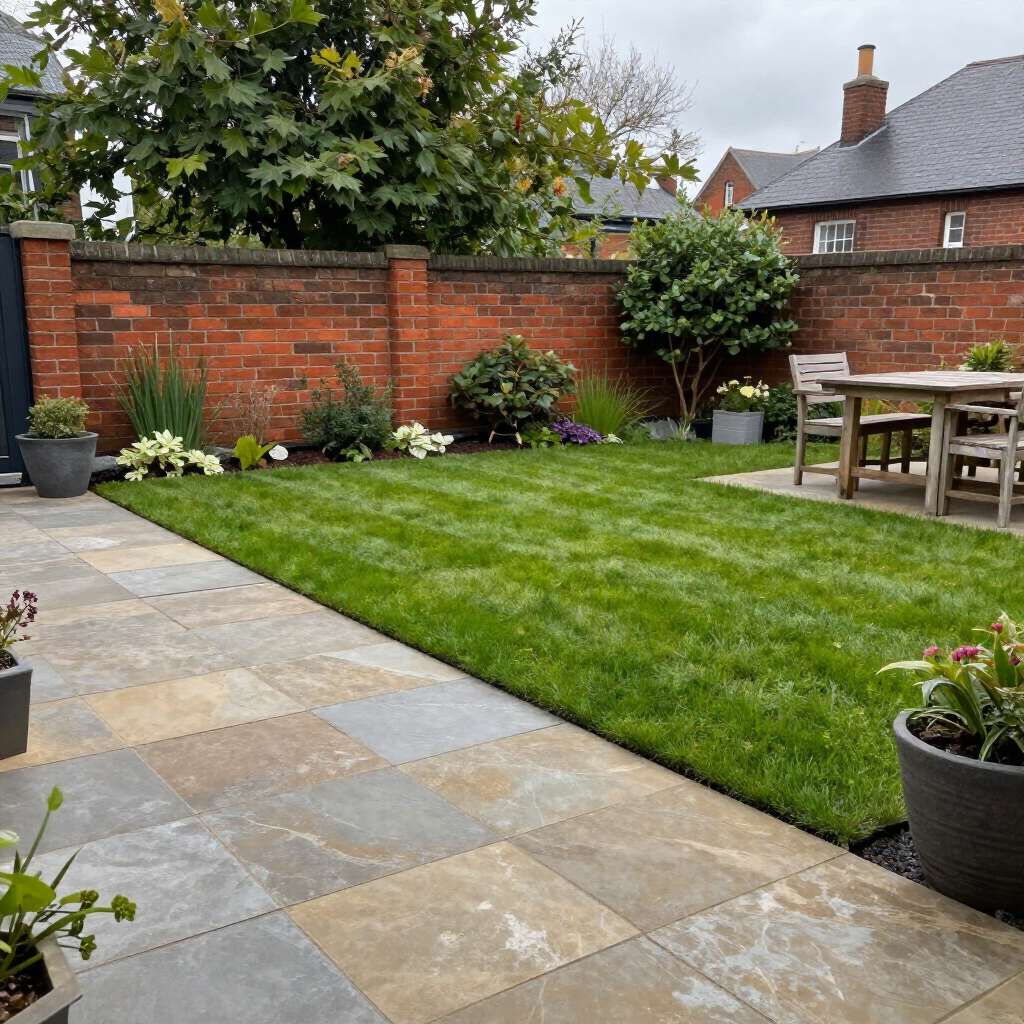
If you are planning a new patio, choosing a surface that suits your garden and your maintenance habits makes later cleaning easier. Our guide to patio paving and new lawn ideas covers the main options.
Block Paving Driveways
Block paving relies on sand between the blocks to lock them together. A pressure washer used too aggressively will blast that sand out, leaving open joints that let weeds in and allow the blocks to shift under the weight of a car. Keep the pressure moderate, hold the lance at an angle rather than straight down, and plan to refill the joints afterwards.
Gravel Driveways and Paths
Gravel should not be pressure washed in the same way, because the jet simply scatters the stones. Rake and level the surface, remove weeds and leaf litter by hand, and top up any thin areas with fresh gravel instead. Where a membrane sits underneath, take care not to expose or tear it.
Step by Step Pressure Washing Method
Whatever the surface, a consistent routine produces the best result and protects the paving. The steps below suit most patios and block paved driveways.
- Clear the area of furniture, pots, toys and loose debris, and sweep off leaves and soil so the washer is not simply pushing dirt around.
- Pull out large weeds and moss clumps by hand so they do not clog the nozzle or spread as slurry.
- Wet the surface and apply a suitable patio cleaner or algae treatment where growth is heavy, leaving it for the time the product label states.
- Start with a wide fan nozzle at moderate pressure on a hidden test patch, then work across the area in even overlapping strokes.
- Rinse the whole surface so cleaner and loosened dirt run away from the house and not toward doors or air bricks.
- Let the paving dry fully, then check the joints and top up any sand that has washed out.
Always wear eye protection and sturdy footwear, keep children and pets well away, and never point the jet at people, windows, or the base of doors. Keep the nozzle away from timber and from paint or render that is already flaking.
Protecting Paving Joints After Cleaning
Joints are where most pressure washing damage shows up. Once sand has been blasted out, water can reach the bedding layer, weeds seed more easily and individual blocks or slabs may rock. Refilling the joints is therefore part of the job, not an optional extra.
For block paving, sweep dry kiln sand or a jointing compound into the gaps, then compact and sweep again until the joints are full. On slabs laid with mortar or sand joints, repoint any gaps that have opened. Some owners also apply a sealer to reduce how quickly the surface re-greens, though sealing should only be done on clean, fully dry paving and the product should suit the material.
If joints keep failing or paving has started to sink or lift, the cause is often the base underneath and not the cleaning. That is a job for a landscaper, and our landscaping and patios service covers repairs and relaying as well as new paving.
Common Pressure Washing Mistakes to Avoid
Most damage comes from a handful of avoidable errors. Using a narrow, high-pressure nozzle too close to the surface is the biggest one, because it can leave permanent lines, pit softer stone and strip the protective surface from concrete. Cleaning on a single pass without a test patch, ignoring the joints and washing straight after heavy rain are the others.
Other mistakes are less obvious:
- Washing in freezing weather, which leaves a wet, icy surface that is dangerous to walk on.
- Pushing dirty water into gullies or drains in large volumes, instead of letting it run to a suitable soakaway area or collecting heavy residue.
- Using strong chemicals on paving next to lawns and planting beds, where they can harm grass and borders.
- Skipping the rinse, which leaves cleaner residue that can leave marks as it dries.
When to Pressure Wash in Ireland
Spring and early autumn tend to suit pressure washing best, because temperatures are mild and surfaces dry reasonably quickly. Autumn cleaning is worth considering before winter, since removing algae and leaf mould reduces slippery patches on paths and steps. Avoid cleaning if a hard frost is forecast, as meltwater and ice make newly washed paving unsafe.
Many homeowners find a yearly clean keeps growth under control, with a lighter brush in between where shade is heavy. Sweeping leaves regularly and trimming back overhanging growth reduces how quickly the surface greens up again.
When to Call a Professional
A basic wash is a manageable weekend job for many people, but a professional is worth considering where the surface is large, delicate or in poor condition. Natural stone, older paving with weak joints and driveways with deep stains all benefit from experience, and a professional will bring the right equipment and a method that suits the material.
Pressure washing is also easy to combine with other work. It is part of the gardening services we offer in Dublin, alongside leaf removal, garden clearance and winter garden care, so a single visit can leave the garden tidy and the paving clean. If you are weighing up the timing, our advice on leaf removal and winter lawn care explains how the seasons fit together.
Keeping Paving Clean Between Washes
A little regular upkeep stretches the time between big cleans. Sweep patios and driveways often, particularly in autumn, clear gutters and downpipes so overflow does not run across the paving, and cut back overhanging branches that drop leaves and keep the area shaded. Check the joints each year and top up sand where it has thinned.
Pressure Washing Patios and Driveways Done Properly
To sum up, pressure washing patios and driveways works best with moderate pressure, a wide nozzle, a test patch first and fresh sand in the joints afterwards. It improves safety, protects the paving and keeps your Dublin garden looking cared for through the damp months. If you would rather leave it to experienced hands, we are happy to look at the job and give you a clear quote.
For a free consultation and quote on pressure washing, patio care or driveway cleaning, visit our contact page, call us on 083 008 3649 or email info@dublinlandscapingservices.ie.
Recent Posts

What Pressure Washing Patios and Driveways Involves
Pressure washing patios and driveways removes moss, algae and ingrained dirt without harming the paving, provided pressure, nozzle and technique suit the material and washed-out jointing sand is replaced. In damp Dublin conditions it is one of the best ways to keep paving safe.
This article explains why paving turns green, how the method differs between slabs, block paving and gravel, what can go wrong, and when to call a professional.
Why Patios and Driveways Turn Green and Slippery
Algae, moss and lichen thrive wherever moisture, shade and organic matter collect. Irish weather supplies plenty of moisture for most of the year, and north-facing patios, spaces under trees and areas beside walls or fences stay damp longest. Fallen leaves, soil washed in by rain and pollen all feed the growth, and a thin film of algae can form within a single season.
The problem is not only cosmetic. A wet algae film is genuinely slippery underfoot, which matters on steps, ramps and the paths people use every day. Moss also pushes into joints and edges, holds water against the surface and, in cold snaps, can contribute to frost damage as trapped moisture freezes and expands. Cleaning paving before the worst of winter is a practical safety job as well as a cosmetic one.
Driveways add oil drips, tyre marks and general road grime to the mix. These are surface stains that respond to washing, though deeper oil staining may need a degreaser before the pressure washer is used.
Choosing the Right Method for Each Surface
Different paving materials tolerate pressure differently, so the first job is to identify what is underfoot. If you are not sure, test a small hidden corner before cleaning the whole area.
Patio Slabs and Garden Paving
Concrete and sandstone slabs generally cope well with pressure washing, but softer natural stone can be etched or left with a stripy finish if the nozzle is held too close. A wide fan nozzle, a steady distance from the surface and overlapping passes give an even result. Working in straight lines from one side to the other avoids the zebra-stripe effect that comes from patchy cleaning.
If you are planning a new patio, choosing a surface that suits your garden and your maintenance habits makes later cleaning easier. Our guide to patio paving and new lawn ideas covers the main options.
Block Paving Driveways
Block paving relies on sand between the blocks to lock them together. A pressure washer used too aggressively will blast that sand out, leaving open joints that let weeds in and allow the blocks to shift under the weight of a car. Keep the pressure moderate, hold the lance at an angle rather than straight down, and plan to refill the joints afterwards.
Gravel Driveways and Paths
Gravel should not be pressure washed in the same way, because the jet simply scatters the stones. Rake and level the surface, remove weeds and leaf litter by hand, and top up any thin areas with fresh gravel instead. Where a membrane sits underneath, take care not to expose or tear it.
Step by Step Pressure Washing Method
Whatever the surface, a consistent routine produces the best result and protects the paving. The steps below suit most patios and block paved driveways.
- Clear the area of furniture, pots, toys and loose debris, and sweep off leaves and soil so the washer is not simply pushing dirt around.
- Pull out large weeds and moss clumps by hand so they do not clog the nozzle or spread as slurry.
- Wet the surface and apply a suitable patio cleaner or algae treatment where growth is heavy, leaving it for the time the product label states.
- Start with a wide fan nozzle at moderate pressure on a hidden test patch, then work across the area in even overlapping strokes.
- Rinse the whole surface so cleaner and loosened dirt run away from the house and not toward doors or air bricks.
- Let the paving dry fully, then check the joints and top up any sand that has washed out.
Always wear eye protection and sturdy footwear, keep children and pets well away, and never point the jet at people, windows, or the base of doors. Keep the nozzle away from timber and from paint or render that is already flaking.
Protecting Paving Joints After Cleaning
Joints are where most pressure washing damage shows up. Once sand has been blasted out, water can reach the bedding layer, weeds seed more easily and individual blocks or slabs may rock. Refilling the joints is therefore part of the job, not an optional extra.
For block paving, sweep dry kiln sand or a jointing compound into the gaps, then compact and sweep again until the joints are full. On slabs laid with mortar or sand joints, repoint any gaps that have opened. Some owners also apply a sealer to reduce how quickly the surface re-greens, though sealing should only be done on clean, fully dry paving and the product should suit the material.
If joints keep failing or paving has started to sink or lift, the cause is often the base underneath and not the cleaning. That is a job for a landscaper, and our landscaping and patios service covers repairs and relaying as well as new paving.
Common Pressure Washing Mistakes to Avoid
Most damage comes from a handful of avoidable errors. Using a narrow, high-pressure nozzle too close to the surface is the biggest one, because it can leave permanent lines, pit softer stone and strip the protective surface from concrete. Cleaning on a single pass without a test patch, ignoring the joints and washing straight after heavy rain are the others.
Other mistakes are less obvious:
- Washing in freezing weather, which leaves a wet, icy surface that is dangerous to walk on.
- Pushing dirty water into gullies or drains in large volumes, instead of letting it run to a suitable soakaway area or collecting heavy residue.
- Using strong chemicals on paving next to lawns and planting beds, where they can harm grass and borders.
- Skipping the rinse, which leaves cleaner residue that can leave marks as it dries.
When to Pressure Wash in Ireland
Spring and early autumn tend to suit pressure washing best, because temperatures are mild and surfaces dry reasonably quickly. Autumn cleaning is worth considering before winter, since removing algae and leaf mould reduces slippery patches on paths and steps. Avoid cleaning if a hard frost is forecast, as meltwater and ice make newly washed paving unsafe.
Many homeowners find a yearly clean keeps growth under control, with a lighter brush in between where shade is heavy. Sweeping leaves regularly and trimming back overhanging growth reduces how quickly the surface greens up again.
When to Call a Professional
A basic wash is a manageable weekend job for many people, but a professional is worth considering where the surface is large, delicate or in poor condition. Natural stone, older paving with weak joints and driveways with deep stains all benefit from experience, and a professional will bring the right equipment and a method that suits the material.
Pressure washing is also easy to combine with other work. It is part of the gardening services we offer in Dublin, alongside leaf removal, garden clearance and winter garden care, so a single visit can leave the garden tidy and the paving clean. If you are weighing up the timing, our advice on leaf removal and winter lawn care explains how the seasons fit together.
Keeping Paving Clean Between Washes
A little regular upkeep stretches the time between big cleans. Sweep patios and driveways often, particularly in autumn, clear gutters and downpipes so overflow does not run across the paving, and cut back overhanging branches that drop leaves and keep the area shaded. Check the joints each year and top up sand where it has thinned.
Pressure Washing Patios and Driveways Done Properly
To sum up, pressure washing patios and driveways works best with moderate pressure, a wide nozzle, a test patch first and fresh sand in the joints afterwards. It improves safety, protects the paving and keeps your Dublin garden looking cared for through the damp months. If you would rather leave it to experienced hands, we are happy to look at the job and give you a clear quote.
For a free consultation and quote on pressure washing, patio care or driveway cleaning, visit our contact page, call us on 083 008 3649 or email info@dublinlandscapingservices.ie.
